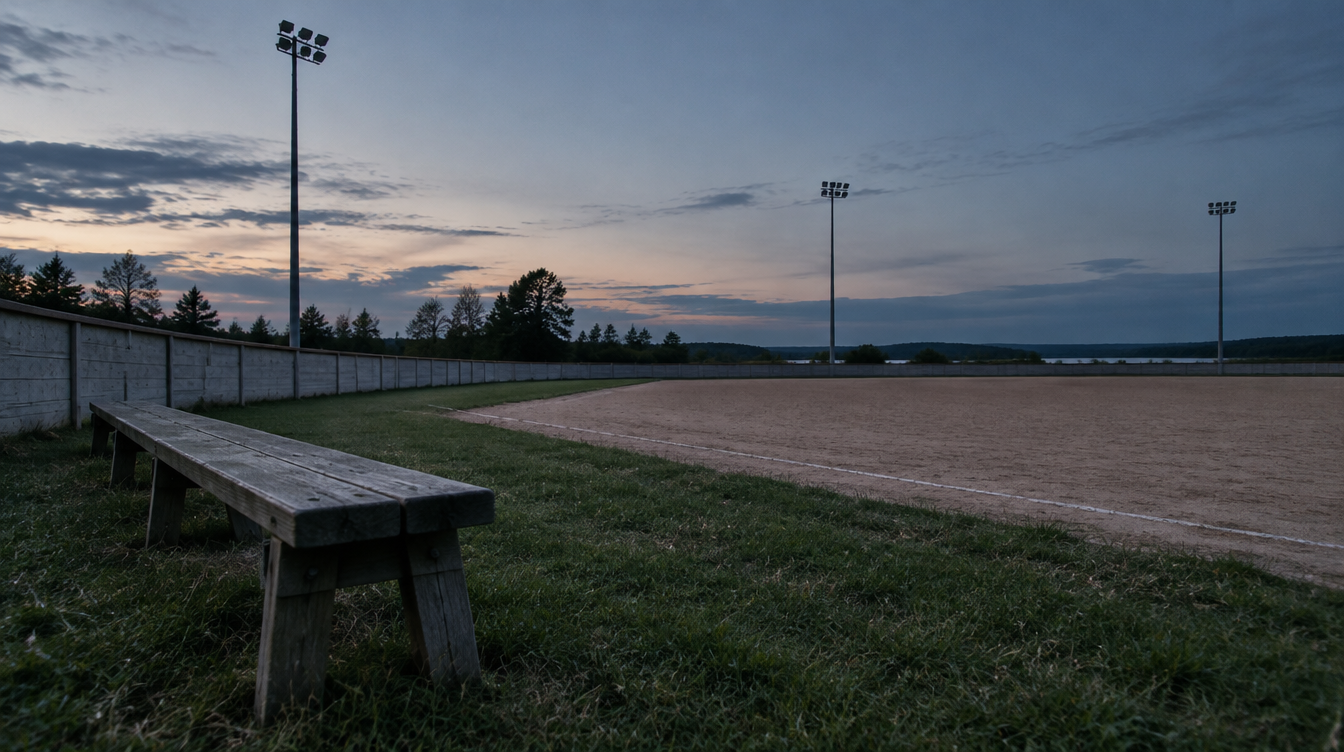
On 20 September, Superpesis and FDJ United announced a multi-year partnership that makes Unibet the main partner of Finnish top-flight pesäpallo. It covers the men's and women's leagues and every club in both. Superpesis calls it the widest partnership ever signed in Finnish team sport, and Yle reported the value as a seven-figure sum.
It begins on 1 July 2027, conditional on the company receiving a Finnish licence.
No Finnish gambling licence has been granted. The regulator has not published the names of applicants. The group's Finland lead, Joel Häkämies, has said its application went in during May 2026. The deal is therefore signed, the permission is not.
Why this is the deal that matters
Not because of the sum, and not because of the sport. Because of the sequencing.
Every operator preparing for Finland has the same question in front of it: when do you start spending? Wait for the licence and the best properties are gone. Move early and you are committing budget against an outcome a regulator controls.
FDJ United has answered that question in public, at scale, with a named counterparty and a start date. Everyone else in the field now has a reference point they did not have a week ago.
What the first mover actually bought
Three things, and only one of them is visibility.
A property nobody else was bidding for. Pesäpallo has almost no international betting volume. As a sponsorship it is bought for audience and brand, not for turnover on the sport itself. That means the competitive set was thin, and the price reflects a market with one serious bidder rather than the market that will exist next summer.
Exclusivity across a whole tier. The agreement covers both divisions and all clubs, rather than a single team. A rival entering in 2027 cannot buy in at club level around it. That is a structural lockout, not a logo.
Eighteen months of unopposed association. The partnership starts in July 2027, but the announcement is now. The brand is already attached to the league in Finnish coverage, and it will be the only one there while competitors are still waiting on their own applications.
We reported earlier this month that nine of eleven clubs in the top ice hockey and football leagues had already been approached by gambling companies. This is the first of those conversations to become a signed, public, league-wide agreement.
The conditionality is the story
A commercial agreement that depends on a licence being granted is not unusual in a market opening. What is unusual is the scale relative to the certainty.
Around fifty applications are in. None has been decided. The regulator's stated processing target has been around six months, and the count of applications has not moved publicly since June. A sponsor in this position is exposed to a decision it cannot influence, on a timetable it cannot see.
For the counterparty the exposure runs the other way. Superpesis has built a revenue-sharing model with its clubs, with the professionalisation of the women's league named as a specific priority. If the licence does not arrive, that plan needs replacing at short notice, in a market where the other bidders will by then have their own arrangements.
The useful question for anyone negotiating a Finnish sponsorship right now is not what it costs. It is what the agreement says happens if the licence is refused, delayed past the start date, or granted with conditions that limit the activation.
The Swedish precedent, and its limits
The same group has been the main sponsor of Sweden's Allsvenskan and Superettan since 2020, under a deal announced in 2018 and reported at SEK 1.8 billion. Sweden opened its licensed market in 2019.
The pattern is the same: sign before the market opens, hold the property through the transition. The difference is that Finland's marketing rules are tighter than Sweden's were at launch. Influencer marketing is prohibited outright. Outdoor advertising for higher-risk products is prohibited. A licensed operator may market through its own channels and the sponsored party's own channels, which in practice means the shirt and the boards are available and the roadside billboard is not.
A league-wide sponsorship is one of the few instruments that still delivers national reach under those rules. That is not a coincidence, and it is worth assuming the same logic is being applied to every other Finnish league right now.
A contrast worth noting
In the same week, Sunderland signed a sponsorship with a gambling operator that does not hold a British licence. The two situations look similar and are not.
In Finland the sponsor is an applicant in a market that has not opened, and the agreement waits for the licence. In the United Kingdom the market is open, licensed, and the sponsor is outside it. One is a commitment ahead of a regulator's decision; the other is a commercial relationship with a company the regulator has not cleared.
Finnish rights holders will be offered both kinds of deal over the next eighteen months, and the difference will not always be stated on the term sheet.
What we do not know
- The value of the agreement, or how the revenue is divided between clubs. Neither has been published.
- What the contract says about a refused or delayed licence.
- Whether other leagues have signed comparable agreements that have not been announced.
- When the first licences will be decided. No date has been published.
We will update this article and the Licence Tracker as licences are granted.